

The Reality of Winning Odds
One of the most pervasive myths about casino gambling is the belief that players can consistently win due to favorable odds or strategies. In reality, every game at a casino has a built-in house edge that ensures the casino profits over time. For instance, in games like blackjack or roulette, the odds are structured in such a way that while players can win in the short term, many turn to platforms like 1win to try their luck, but the longer they play, the more likely they are to lose. This house edge is not a trick but rather a fundamental aspect of how these games are designed to operate.
Furthermore, the concept of ‘hot’ or ‘cold’ streaks often leads players to make decisions based on misconceptions. Many believe that if a particular slot machine hasn’t paid out in a while, it is ‘due’ for a win. However, modern slot machines use random number generators to determine outcomes, ensuring that each spin is independent of the last. This randomness means that the past behavior of the machine has no bearing on future results, debunking the myth that players can predict outcomes based on prior events.
Additionally, large casino wins are frequently highlighted in media and advertisements, creating an illusion that anyone can achieve similar results. While stories of significant wins do exist, they are rare and often overshadow the countless small losses incurred by regular players. The reality is that while gambling can be thrilling, it is essential for players to approach it with a clear understanding of the odds and the risks involved rather than chasing the allure of winning streaks.
The Misconception of Skill-Based Games
Another widespread myth is that skill-based games offer a significant advantage over luck-based games. While it is true that games like poker involve an element of skill, the reality is that luck plays a crucial role in the outcomes of any gambling session. For instance, even the most skilled poker player can face unfavorable hands due to the randomness of card distribution. This creates a situation where skill can only take a player so far, and luck must also be on their side to achieve consistent success.
Moreover, players often believe that they can develop strategies that allow them to overcome the house edge in casino games. While strategies can improve a player’s understanding and potentially increase enjoyment, they cannot eliminate the inherent risk involved. For example, card counting in blackjack is a well-known strategy, yet casinos are aware of this tactic and have implemented various countermeasures, such as shuffling decks frequently or using multiple decks, to protect their interests.
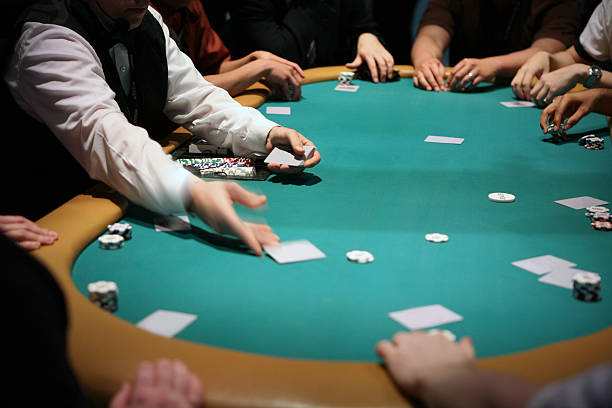
Players may also underestimate the randomness of certain games, leading them to over-rely on strategies that don’t offer the advantage they expect. This false belief in skill can lead to a lack of preparedness for the inherent volatility of gambling, ultimately resulting in disappointment and financial loss. Understanding that no strategy can guarantee success in the long run is crucial for anyone participating in gambling activities.
The Fallacy of Gambling Addiction
Gambling addiction is often misunderstood, with many believing that it only affects a specific type of person or demographic. In reality, anyone can develop a gambling problem, regardless of their socio-economic status or background. This misconception can lead to stigmatization, where those struggling with addiction are viewed as irresponsible rather than individuals facing a serious mental health issue. It’s important to recognize that gambling addiction is recognized as a disorder and can have profound effects on an individual’s life and their relationships.
Furthermore, many individuals dismiss the signs of gambling addiction in themselves or others due to the belief that it’s simply a lack of self-control. This misconception can prevent people from seeking help early on. The truth is that gambling addiction often stems from underlying psychological issues, such as depression or anxiety, and is not merely a result of poor choices. Educating oneself about these issues can foster a more compassionate approach to those struggling with gambling addiction.
Awareness and understanding are key in combating the stigma surrounding gambling addiction. Many organizations provide support and resources for individuals and families affected by this issue. By acknowledging that gambling addiction is a legitimate concern, society can better provide the necessary support systems and encourage responsible gaming practices. As such, it’s crucial to promote an open dialogue about gambling and its potential risks, leading to healthier attitudes towards gaming as a whole.
The Illusion of Control and Superstition
Casino patrons often fall prey to superstitions, believing that luck can be influenced through rituals or specific actions. From wearing lucky clothing to performing certain gestures before a game, these practices stem from the human need to exert control over uncertain situations. However, the outcomes of casino games are determined by chance, and such behaviors do not impact the randomness of games like slots or roulette. Recognizing that luck cannot be manipulated is vital in fostering a healthy gambling mindset.

This illusion of control can also extend to players thinking they have an edge over the games based on patterns they’ve observed. For example, players might believe that they can predict when a machine is about to pay out based on how long it has been since its last payout. Such beliefs contribute to a false sense of security, leading individuals to stake larger sums than they can afford to lose. It is essential to understand and accept that gambling is ultimately a game of chance.
Moreover, casinos are aware of these superstitions and often incorporate design elements that can enhance these feelings of control, such as displaying continuous win-losing cycles or encouraging patrons to interact with machines. While these may provide entertainment, they can also contribute to problematic gambling behavior. By educating oneself about the nature of gaming and dispelling common myths, players can make more informed decisions and cultivate a responsible approach to their gambling habits.
Exploring the Benefits of Responsible Gambling
Engaging in gambling can offer entertainment and social engagement when approached responsibly. Many casinos now promote responsible gambling initiatives to ensure that players are aware of their habits and limits. These programs often provide tools to help individuals track their spending and set limits on their gameplay, allowing for a more enjoyable experience without the risk of financial strain. Understanding and exercising self-control enables players to enjoy the thrill of the game without jeopardizing their financial stability.
Moreover, recognizing the importance of moderation can enhance the overall experience of gaming. Just like any form of entertainment, gambling should be viewed as a leisure activity rather than a source of income. By maintaining a healthy perspective, players can appreciate the excitement of the games without succumbing to the misconceptions commonly associated with gambling. This balanced approach can lead to long-lasting enjoyment and a more positive relationship with games of chance.
Websites and organizations dedicated to promoting responsible gambling are essential resources for anyone involved in gaming. These platforms often provide information, support, and guidelines to assist players in making informed decisions. By taking advantage of these resources, individuals can foster a more responsible and enjoyable gaming environment. Understanding the risks and staying informed about gambling practices ultimately leads to a more enriching experience for players while minimizing potential negative consequences.
